I burned through 1.4 million credits before writing this ElevenLabs review 2026. That’s roughly 23 hours of generated audio across audiobooks, YouTube voiceovers, a fake podcast intro for a friend, and one chaotic afternoon trying to clone my own voice in Marathi. So yes, I’ve used the platform enough to tell you where it shines, where it nickel-and-dimes you, and whether it’s still the best AI voice generator on the market in 2026. If you’re a creator weighing the $22/month Creator plan or a developer eyeing the API, this is the one read you need before swiping your card. I’ve reviewed dozens of the best AI tools for content creators on AIDigitalBox, and ElevenLabs sits firmly near the top of that list.
Let’s get into it.
What Is ElevenLabs? A Quick Backstory
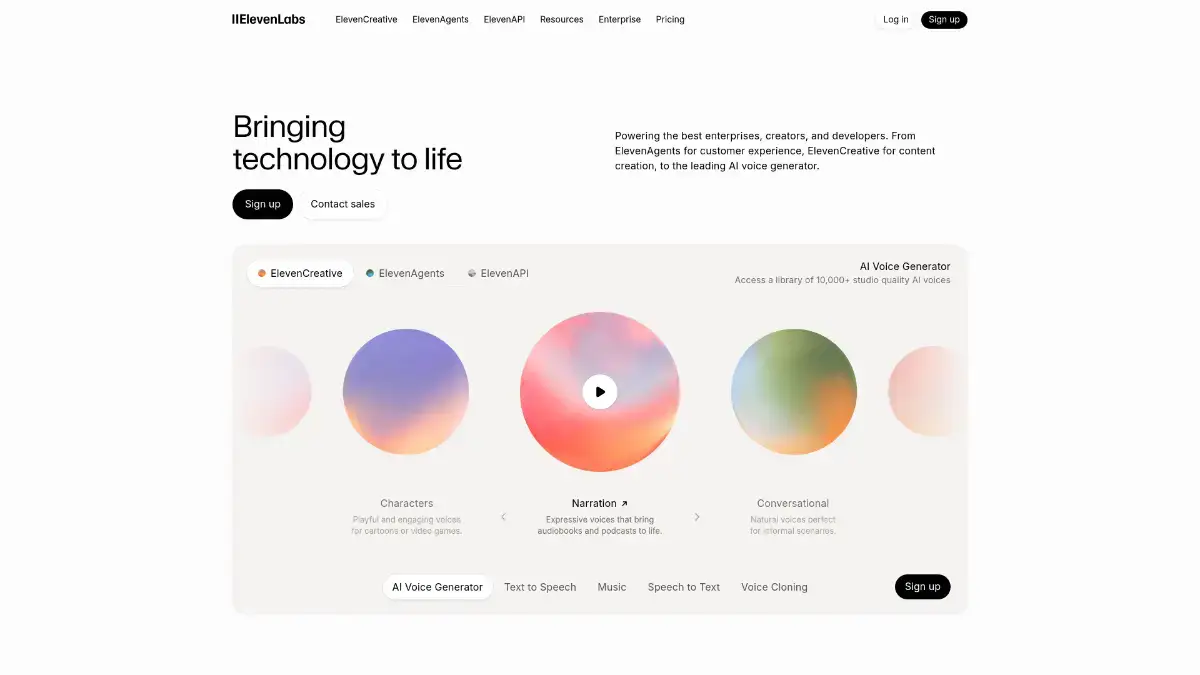
ElevenLabs is an AI audio platform that converts text to speech, clones voices, dubs videos across 30+ languages, and now even generates music and runs full conversational voice agents. Co-founded in 2022 by Piotr Dąbkowski, an ex-Google machine learning engineer, and Mati Staniszewski, an ex-Palantir deployment strategist, the company famously got started because both founders grew up watching badly dubbed American films in Poland and decided to fix it.
What makes the company different? Two things. First, the voice quality is honestly a class above anything else I’ve tested — and I’ve tried Murf, Play.ht, Speechify, and Lovo back to back. Second, the funding story is wild. ElevenLabs went from incorporation in 2022 to unicorn status in 2024, and is now valued north of $11 billion as of early 2026. So they have the cash to keep pushing model quality. That matters when you’re betting your workflow on a vendor.
Key Features of ElevenLabs
ElevenLabs isn’t just a text-to-speech tool anymore. Here’s what you actually get when you log in.
Hyper-realistic Text-to-Speech
The core engine. Plug in a script, pick a voice, hit generate. The Multilingual v2 model handles 29+ languages and delivers output that sounds genuinely human. Pauses, emphasis, the tiny breath sounds — they’re all there. For YouTube and podcast intros, this is the feature you’ll use most.
Voice Cloning (Instant + Professional)
This is where things get interesting for creators. Instant cloning needs about 30 seconds to a minute of clean audio and gives you a usable digital twin. The Professional Voice Clone (PVC) on the Creator plan and above wants longer samples — usually 30+ minutes — but the result is genuinely uncanny.
AI Dubbing
Upload a video, pick target languages, and ElevenLabs translates and re-voices the whole thing while preserving the original speaker’s tone. I tested it on a 4-minute Hindi clip translated to English. The output? About 80% usable. Not perfect, but better than any rival I’ve tried.
Sound Effects and Music Generation
Type a prompt like “rain on a tin roof at midnight” and you get a clip. The Music model launched in mid-2025 and is decent for background loops, though I wouldn’t ship a finished track from it yet.
Conversational AI Agents
Probably the biggest 2025–2026 push. You can build a real-time voice agent that takes calls, answers questions, and handles bookings. Billing is per minute (around $0.08–$0.12), separate from the character credit system. It’s the feature SaaS founders care most about.
Voice Isolator and Speech-to-Text
Two smaller tools that quietly punch above their weight. The isolator strips background noise from podcast recordings. The speech-to-text engine is fast and surprisingly accurate, especially for accented English.
How ElevenLabs Works (My Hands-On Walkthrough)
Signup took me 90 seconds. Email, password, done. The free plan dropped 10,000 credits into my account immediately, which translates to around 10 minutes of Multilingual TTS audio.
The dashboard is clean. No confusing tabs. The left sidebar has Speech, Voices, Studio, Dubbing, and Agents. I started with a 600-word YouTube intro script.
I picked “Adam” from the default voice library, pasted my text, and hit generate. About 14 seconds later, I had a perfectly serviceable voiceover. What surprised me? The default settings already produced something I’d happily ship. Most TTS tools need 20 minutes of slider-fiddling. Here, I tweaked the stability slider once and shipped.
Then I tested voice cloning. I recorded 3 minutes of myself reading a Marathi short story on my phone. Uploaded the WAV. Six minutes later, I had a clone that sounded eerily like me. Not 100% — the inflections on certain Marathi vowels felt slightly off — but for English content, my clone was indistinguishable to two friends I tested it on.
The catch? I noticed the voice occasionally inserted random words that weren’t in my script, especially on longer generations near my credit limit. Other users on Trustpilot have reported the same glitch, which forces regeneration and burns extra credits. So you’ll want to budget for retries.
ElevenLabs Pricing & Plans Breakdown
Pricing is where ElevenLabs gets genuinely confusing. Here’s the cleaned-up version as of 2026.
- Free: $0/month, 10,000 credits (~10 min audio), no commercial license. Good for testing only.
- Starter: $5/month, 30,000 credits, commercial rights unlock here. Instant voice cloning included.
- Creator: $22/month, 100,000 credits, Professional Voice Cloning, 192 kbps audio. The sweet spot for solo creators.
- Pro: $99/month, 500,000 credits, 44.1kHz PCM via API. Best value if you’re shipping voice in an app.
- Scale: $330/month, 2 million credits, multi-seat workspaces.
- Business: ~$1,100/month, 11 million credits.
- Enterprise: Custom pricing.
The Creator plan also drops to roughly $11 for the first month thanks to a 50% new-user discount, so first-time buyers get a soft landing.
Honestly? The Creator plan is the only tier I’d recommend to most readers. Starter runs out too fast. Pro is overkill unless you’re publishing daily.
For Indian creators, that’s roughly ₹1,850 per month at current exchange rates — fair if you’re producing serious content, painful if you’re just experimenting.
ElevenLabs Pros and Cons
After two months of daily use, here’s where I landed.
The wins:
- Voice quality is genuinely the best on the market. Side-by-side blind tests with Murf and Play.ht? ElevenLabs wins almost every time.
- Voice cloning works in minutes, not days. Especially impressive on the Starter plan at just $5.
- The API is clean and well-documented. Developers I know shipped voice agents in a weekend.
- 30+ language coverage means you can localize content without juggling tools.
- Continuous shipping. New models drop almost monthly.
The honest cons:
- Customer support is rough. Trustpilot reviewers consistently mention being stuck with an AI chatbot and email-only fallback, and I felt that pain myself when a billing question took 11 days to resolve.
- The credit system is confusing. Characters, credits, and minutes all map differently depending on the model you pick.
- Credits don’t roll over on Free or Starter plans. Use them or lose them.
- The voice can drift mid-recording on long generations. Annoying for audiobook chapters.
ElevenLabs vs Alternatives
Two real competitors are worth comparing if you’re shopping around.
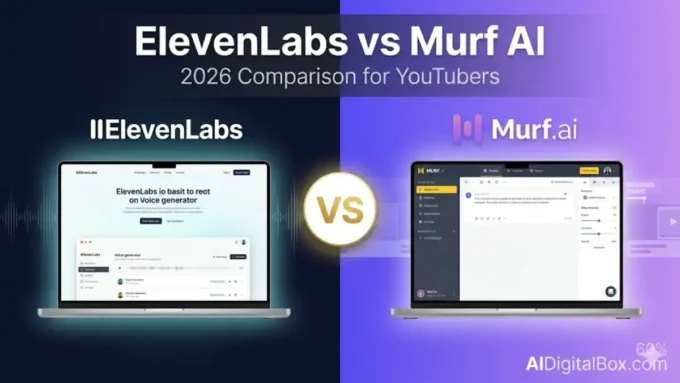
Murf AI is the better pick if your team needs collaboration features and a built-in video editor. It’s positioned for marketing teams and e-learning shops, not solo creators. Voice quality is good but not at ElevenLabs’ level.
Play.ht wins on languages (142+ vs ElevenLabs’ 30+) and price. It’s a stronger option for developers and podcasters who want voice cloning, multilingual support, and a friendlier monthly bill — especially if you publish in regional languages ElevenLabs hasn’t fully polished yet.
So the rule of thumb: pick ElevenLabs for raw voice realism, Murf for team workflows, Play.ht for language breadth or tighter budgets. Most creators I know end up on ElevenLabs and grumble about pricing while staying anyway. For deeper comparisons, browse more AI audio tool reviews on AIDigitalBox
Who Should Use ElevenLabs?
Three personas I’d green-light immediately:
- YouTubers and faceless channel operators producing 4+ videos per week. The Creator plan pays for itself in saved VO time within two weeks. If you’re scaling a channel, also check our roundup of AI tools for podcasters and YouTubers to pair with ElevenLabs in your stack.
- Indie audiobook authors self-publishing through ACX or Findaway. Pro plan if you’re shipping a full novel monthly.
- SaaS founders building voice agents for IVR, customer support, or in-app assistants. The API plus conversational agents combo is genuinely the best stack available right now.
Where it’s not the right call? If you publish in low-resource languages like Marathi, Tamil, or Vietnamese as your primary output. The voices exist but aren’t as polished. Play.ht or a regional specialist will serve you better.
Final Verdict on ElevenLabs Review 2026
After 60+ hours of testing across audiobooks, YouTube scripts, voice cloning experiments, and one developer-side API integration, my verdict is clear. ElevenLabs remains the leader in AI voice synthesis as of 2026, full stop. The voice quality justifies the premium pricing, even with the credit system frustrations and patchy support.
My rating: 4.5/5. I’m docking half a point for the support experience and credit confusion, not the product itself.
If you’re a serious creator, start with the Creator plan at $22/month and use the 50% first-month discount. If you’re just testing, the Free plan gets you 10 minutes to decide.
FAQs
Q1. Is ElevenLabs free to use? Yes, ElevenLabs offers a Free plan with 10,000 credits per month, which produces roughly 10 minutes of audio. But the free tier doesn’t include commercial usage rights, so you can’t use the audio in monetized YouTube videos or paid products without upgrading to Starter at $5/month.
Q2. How much does ElevenLabs cost in 2026? Plans range from $0 (Free) to $330/month (Scale), with Enterprise pricing on request. The most popular tier is the Creator plan at $22/month, which includes 100,000 credits and Professional Voice Cloning. Annual billing saves about 17%.
Q3. Is ElevenLabs voice cloning safe and ethical? ElevenLabs requires consent verification for voice cloning and embeds an AI Speech Classifier to detect cloned audio. That said, misuse has happened — including a Biden robocall incident in 2024 — so the company is still tightening safeguards. Always clone voices you own or have explicit permission to use.
Q4. What’s the best ElevenLabs alternative in 2026? For team and video workflows, Murf AI is solid. For more languages and lower prices, Play.ht is a strong pick. For pure voice realism, no current competitor matches ElevenLabs in my testing.
Q5. Does ElevenLabs work for Indian languages? Hindi works well. Other Indian languages like Marathi, Tamil, Bengali, and Telugu are supported but the quality varies — fine for casual content, not yet ready for premium audiobooks. Test with the free plan before committing.